


Influences on the Development of Celestial Therapy Method ™
These citations do not imply formal endorsement but serve to acknowledge the foundational knowledge and interdisciplinary frameworks that contributed to this integrative psychotherapy theory. Each work listed below has played a role in informing the neurobiological, somatic, cognitive, developmental, and relational dimensions of this model.
Axline, V. M. (1947). Play therapy. Houghton Mifflin.
Beck, J. S. (2011). Cognitive behavior therapy: Basics and beyond (2nd ed.). Guilford Press.
Gil, E. (2006). Helping abused and traumatized children: Integrating directive and nondirective approaches. Guilford Press.
Kabat-Zinn, J. (1990). Full catastrophe living: Using the wisdom of your body and mind to face stress, pain, and illness. Dell Publishing.
Kandel, E. R. (2006). In search of memory: The emergence of a new science of mind. W. W. Norton & Company.
Lanius, R. A., Vermetten, E., & Pain, C. (Eds.). (2010). The impact of early life trauma on health and disease: The hidden epidemic. Cambridge University Press.
Levine, P. A. (2010). In an unspoken voice: How the body releases trauma and restores goodness. North Atlantic Books.
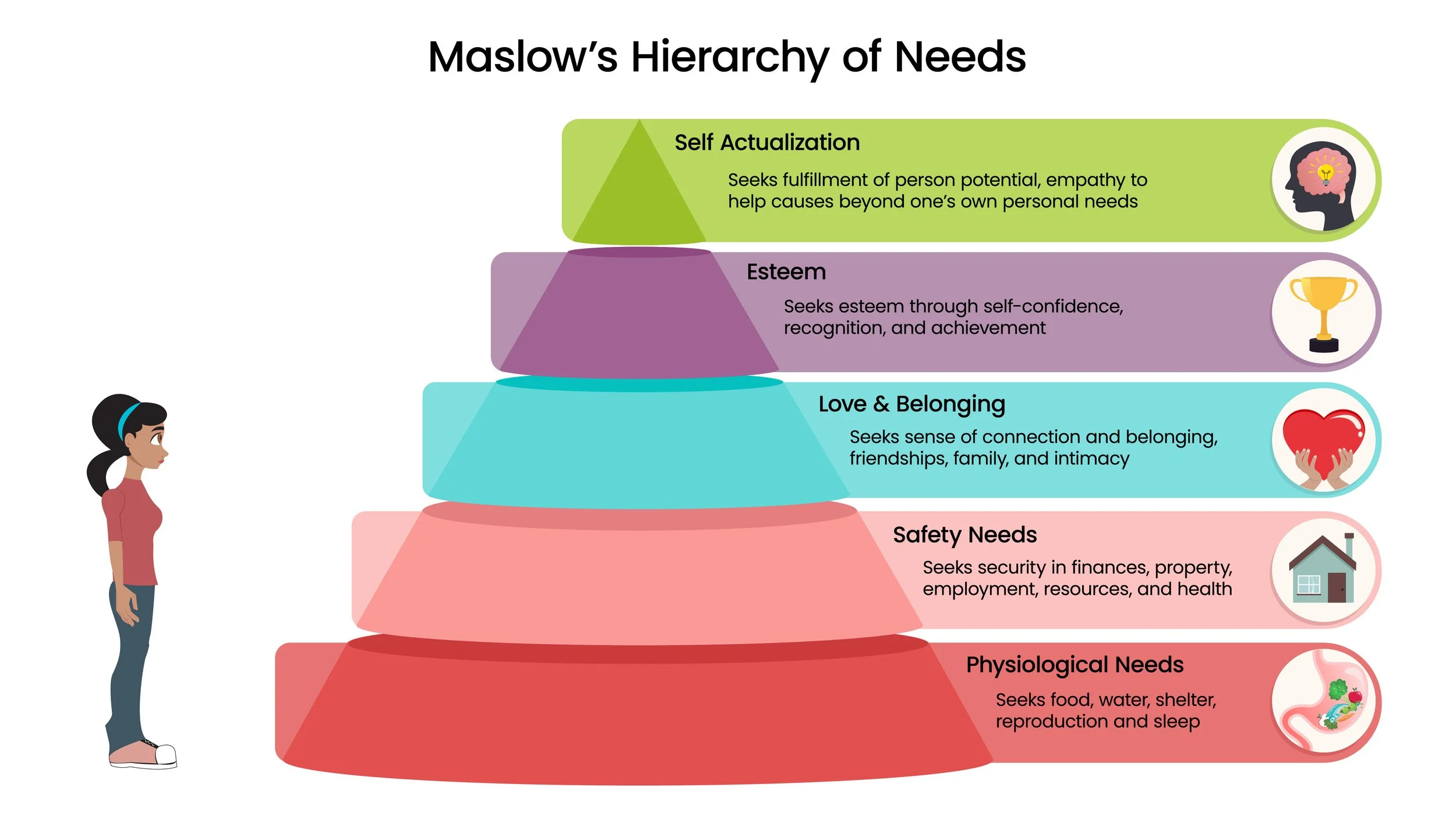
Maslow, A. H. (1968). Toward a psychology of being (2nd ed.). Van Nostrand Reinhold.
Maté, G. (2022). The myth of normal: Trauma, illness, and healing in a toxic culture. Avery.
Ogden, P., Minton, K., & Pain, C. (2006). Trauma and the body: A sensorimotor approach to psychotherapy. W. W. Norton & Company.
Oaklander, V. (1988). Windows to our children: A Gestalt therapy approach to children and adolescents. The Center for Gestalt Development.
Pert, C. B. (1997). Molecules of emotion: The science behind mind-body medicine. Scribner.
Perls, F. S. (1969). Gestalt therapy verbatim. Real People Press.
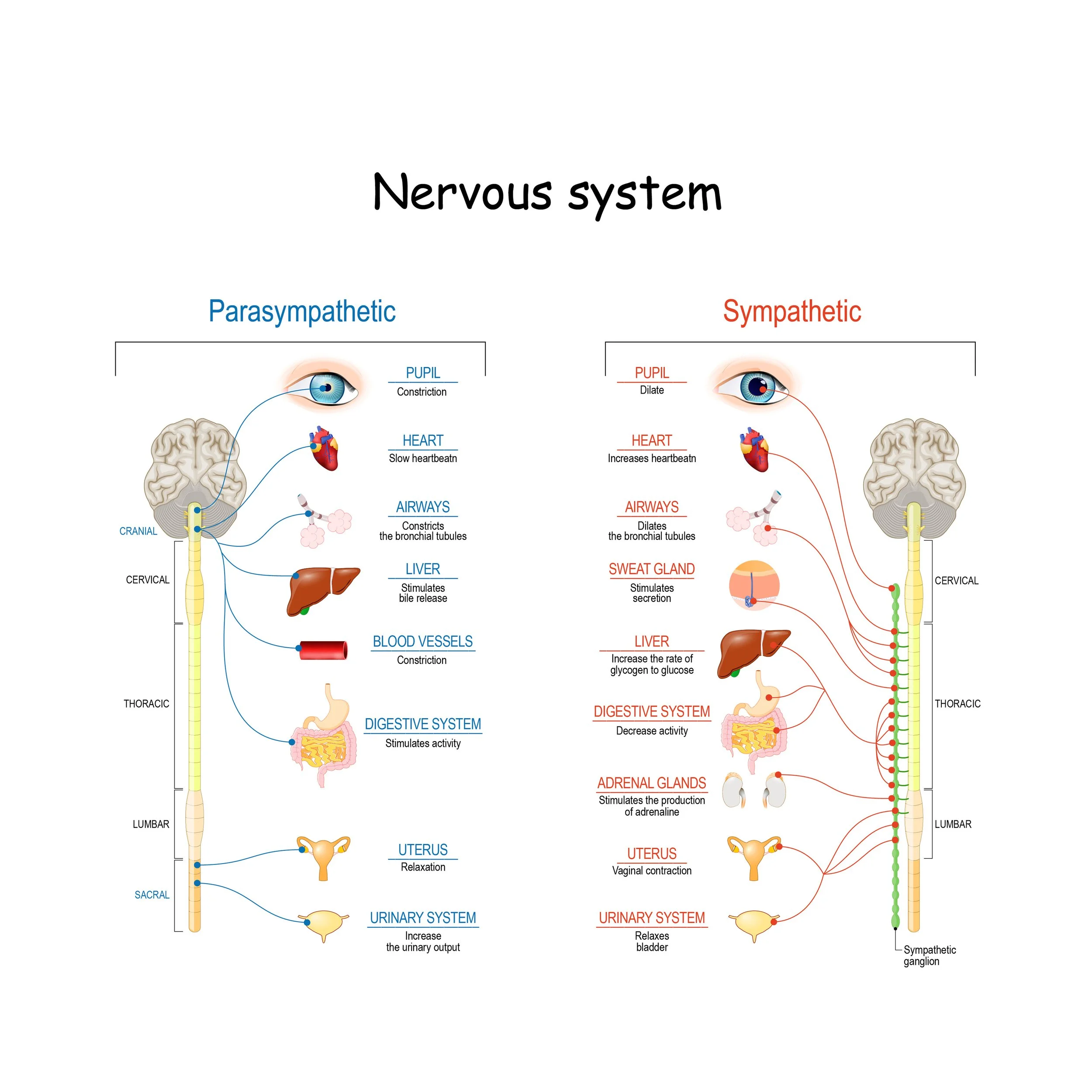
Porges, S. W. (2011). The polyvagal theory: Neurophysiological foundations of emotions, attachment, communication, and self-regulation. W. W. Norton & Company.
Porges, S. W. (2004). Neuroception: A subconscious system for detecting threats and safety. Zero to Three, 24(5), 19–24.
Perry, B. D., & Szalavitz, M. (2006). The boy who was raised as a dog: And other stories from a child psychiatrist's notebook. Basic Books.
Rogers, C. R. (1961). On becoming a person: A therapist's view of psychotherapy. Houghton Mifflin.
Schore, A. N. (2012). The science of the art of psychotherapy. W. W. Norton & Company.
Shapiro, F. (2018). Eye movement desensitization and reprocessing (EMDR) therapy: Basic principles, protocols, and procedures (3rd ed.). Guilford Press.
Siegel, D. J. (2012). The pocket guide to interpersonal neurobiology: An integrative handbook of the mind. W. W. Norton & Company.
Siegel, D. J. (2020). The developing mind: How relationships and the brain interact to shape who we are (3rd ed.). Guilford Press.
Thich Nhat Hanh. (1975). The miracle of mindfulness: An introduction to the practice of meditation. Beacon Press.
Van der Kolk, B. A. (2014). The body keeps the score: Brain, mind, and body in the healing of trauma. Viking.
Ziegler, D. (2002). Trauma and resiliency: A healing partnership. The Jasper Mountain Series.